A small home benefits from a pet cleaning station that is defined by a routine rather than a large storage unit. You need to know what is clean, what is waiting to dry and which tools belong on your pet or on household surfaces. A shelf, hook and separate used-item container may be enough if their positions make sense for the tasks you do most often.
Start with the doorway task
Think about what happens as you come home: a lead needs to be put down, paws may be damp and the dog may be eager to move into the room. Keep the path clear and place a towel where you can reach it. Do not crowd the entrance with every grooming product you own. Select the items used at that point in the routine and store occasional supplies elsewhere. A simple layout reduces the number of things you have to move before you can begin a clean-up.
Separate animal tools from surface tools
Create clear storage groups even when they are physically close. Brushes and grooming gloves are for appropriate coat care; a household hair remover is for compatible flooring or fabric. A pet-related label does not make a surface tool suitable for an animal. Label the storage if family members or carers may be unsure. Keep litter equipment in a distinct area and away from food-contact accessories. The aim is to make the correct choice obvious without requiring everyone to remember the appearance of each tool.
Make room for drying, not just storage
A closed box is convenient for clean dry items but unsuitable as the immediate destination for wet towels or washed accessories. Allow air and space for items to dry fully according to their care instructions. Plan where a used towel waits before laundering and where clean replacements are kept. If your drying space is limited, reduce the number of items washed at once or use a practical rotation. Stacking damp equipment neatly does not make it ready for the next session.
Keep frequently used supplies within reach
Arrange the station in the order you use it: prepare, clean, dry, reset. Store frequently used items where you can reach them without awkward bending while managing a pet. Keep unsuitable items out of reach of children and animals. A clip, hanging hole or hand pocket is useful only if it supports this routine. Resist filling every storage space immediately. Leaving a clear place to set down equipment during use may be more helpful than keeping an extra product on display.
Use a short reset after each task
Clear collected fur from the appropriate tool, put used fabric in its designated place and return clean dry items to storage. Check whether anything needs replacing before the next outing. A quick reset is easier when every item has one obvious home. If supplies repeatedly end up elsewhere, revise the layout rather than expecting more effort from everyone. The station should work with your actual habits and available floor space, including the ordinary interruptions of caring for dogs and cats.
Review what earns its place
After using the station for a while, remove items that do not serve a clear task or are unsuitable for your pet or surfaces. Keep the useful pieces and document any care restrictions. A second towel may justify its space if the first is often drying; a duplicate brush may not. The comparison below provides examples from three different tasks rather than a compulsory kit. Buy only what fills a real gap and keep the station easy to understand and maintain.
Relevant PawNest products: specifications to compare
The following comparison uses the current product information, not hands-on test results or a ranking. Choose by the task, size and care requirements. A related accessory is useful only when its intended use fits your routine.
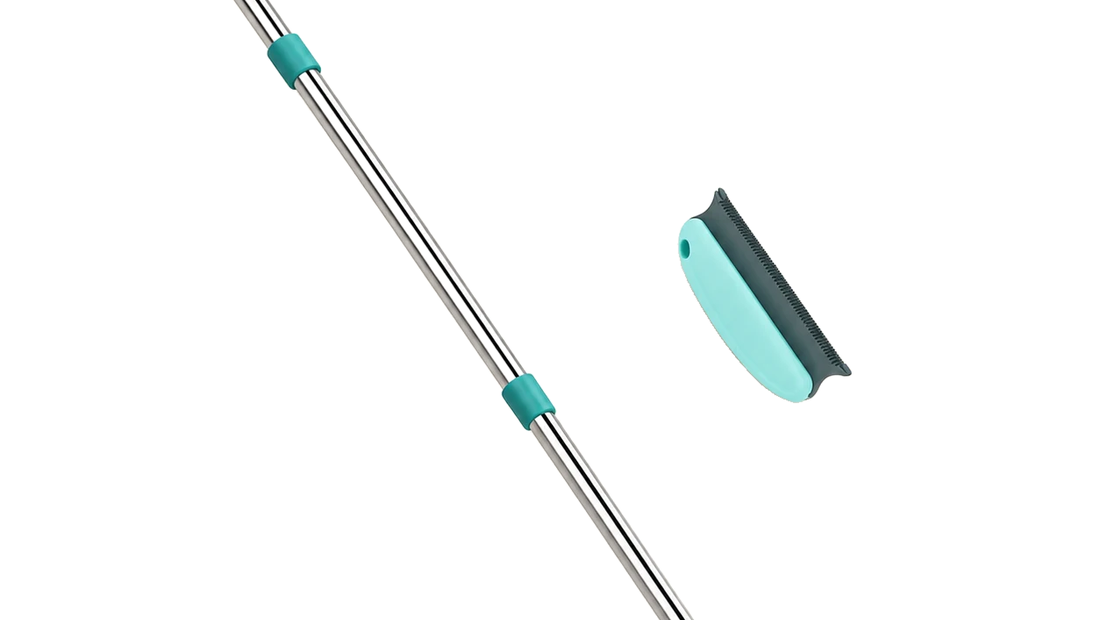
Reusable Pet Hair Remover Broom
Tackle loose pet hair as part of your regular floor clean. This manual broom gives you a long handle for larger areas, with a small handheld tool for closer work. It is reusable and needs no batteries or adhesive refills.
- Long handle for floor cleaning
- Small handheld hair remover included
- Manual operation with no refills
Check before choosing: Dog and cat households removing loose fur from compatible floors and carpet. Test delicate surfaces in an inconspicuous spot first.
Pack contents: 1 pet hair remover broom and 1 small handheld hair remover, as pictured.
Pet Drying Towel with Hand Pockets – 100 × 50 cm
Keep a drying towel handy for baths and damp walks. This microfibre towel includes hand pockets to help you hold it while patting your pet dry, with bound edges and a paw detail.
- Microfibre drying fabric
- Hand pockets for easier handling
- 100 × 50 cm towel
Check before choosing: Dog and cat owners who need a towel for baths or damp walks. Compare the 100 × 50 cm towel with your pet; larger coats may need more than one towel.
Pack contents: 1 grey pet drying towel with hand pockets, approximately 100 × 50 cm. The supplied imagery shows a blue-grey tone.
Silicone Pet Grooming Gloves – Blue, 2 Pairs
Bring brushing into your regular bath-time routine. These blue silicone gloves let you work through loose fur with your hands, while the longer cuffs provide extra coverage. With two pairs in the set, you can keep a spare ready for the next wash.
- Textured silicone palms for hands-on grooming
- Long cuffs with fabric ends
- Two pairs for your grooming kit
Check before choosing: Dog and cat owners who prefer hands-on gentle grooming. Check your pet is comfortable with the textured silicone surface before a longer session.
Pack contents: 2 pairs of blue silicone grooming gloves (4 gloves).
Browse the pet grooming and cleaning supplies collection to compare available options. Keep the product’s stated use separate from the broader advice in this guide; an accessory does not establish suitability for every pet.
FAQ
Can everything go into one storage box?
Keep intended uses clear and separate clean dry equipment from used or damp items. Litter tools and household surface cleaners should not be mixed with food-contact supplies.
Do I need a product for every cleaning task?
No. Start with the tasks you actually perform and the equipment you already have. Choose an accessory only when its intended use and care requirements fit the routine.