A useful grooming schedule has two parts: noticing what your dog needs and using the right tool when that need arises. A fixed calendar copied from another dog can miss both. Coat length, texture, outdoor activities and your dog's comfort all influence the routine. Instead of prescribing a universal interval, this guide helps you create an observation-led schedule to discuss with your groomer.
Separate checking, brushing and bathing
A quick look at the coat after a walk is not the same task as brushing or giving a bath. You can check for visible dirt, wet areas and caught debris without deciding that every outing requires shampoo. Brushing is also different from washing: it involves a working surface moving through suitable coat. Keep these jobs separate in your plan. This makes it easier to choose an appropriate response and avoids using a bath as the automatic answer to every grooming concern.
Record what actually changes between sessions
For a short period, note when you brush, what areas catch and how your dog responds. Include the conditions: a damp walk, time on dusty ground or a quiet day indoors. You do not need a complicated tracker. A few clear notes can reveal that a particular activity creates more clean-up work or that a tool is uncomfortable in one place. Share recurring problems with a groomer. A schedule should respond to what you observe, rather than encourage longer sessions simply because a calendar says so.
Keep each session manageable
Prepare the tool, a place for collected fur and any towel before bringing your dog over. A short session with pauses lets you check comfort and your own pressure. Avoid treating grooming as a task that must be finished regardless of your dog's response. If your dog moves away or the coat pulls, pause. More frequent opportunities for calm handling may be easier to organise than a rushed, lengthy session, but persistent distress calls for advice about the handling approach and possible underlying discomfort.
Plan for weather and wet outings
Australian conditions differ by location and season, so a summer routine in one household will not automatically suit another. Focus on the actual coat condition after the activity. Keep a clean towel available for damp fur and a place to dry it completely after use. Do not repeatedly put a wet towel back in the grooming basket. If muddy outings are frequent, organise the entry area to reduce fuss on returning home, then decide which parts of your dog's routine need professional guidance.
Review the tools as the routine develops
The schedule can expose a tool mismatch. A comb that constantly catches may be unsuitable for the coat or the task; it is not a reason to press harder. Check for damaged teeth and remove accumulated hair. If gloves are part of the routine, inspect the texture and fit before use. Keep a note of the exact product and the problem you encountered so a groomer can give specific advice. Buying more tools without clarifying the task can make the routine less consistent.
Know when a schedule is not the answer
New skin changes, persistent scratching, pain or unusual coat changes should not be managed simply by adding brushing sessions. Contact a veterinarian for individual concerns. For routine coat maintenance, ask a groomer how to recognise when the next session is needed and which areas require particular care. The aim is a sustainable pattern of observation and comfortable handling, with enough flexibility for your dog. Product instructions help with the accessory; they do not replace advice about the animal.
Relevant PawNest products: specifications to compare
The following comparison uses the current product information, not hands-on test results or a ranking. Choose by the task, size and care requirements. A related accessory is useful only when its intended use fits your routine.
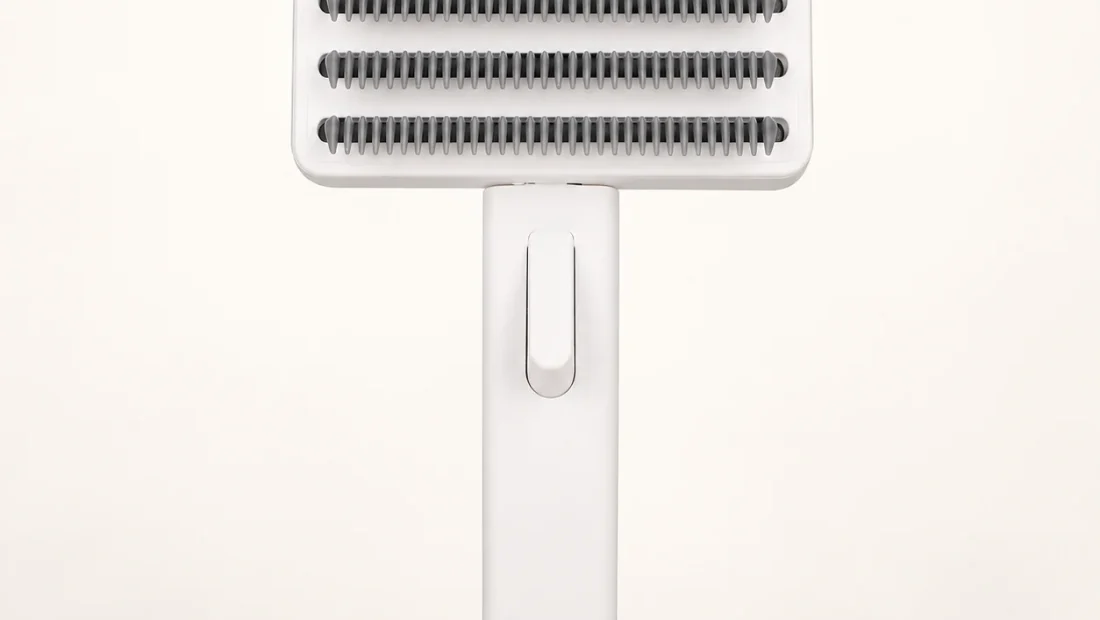
Comfort-Grip Pet Deshedding Brush
Make loose-coat grooming part of a calm everyday routine. This handheld brush combines a broad head with a shaped grip, giving you a simple manual tool for short, gentle brushing sessions.
- Broad head with rows of comb teeth
- Shaped handle with hanging hole
- Manual grooming without batteries
Check before choosing: Dog and cat owners introducing gentle loose-coat grooming. Check that the comb teeth suit your pet's coat and avoid pulling through tangles.
Pack contents: 1 pet deshedding brush with ABS body.
Silicone Pet Grooming Gloves – Blue, 2 Pairs
Bring brushing into your regular bath-time routine. These blue silicone gloves let you work through loose fur with your hands, while the longer cuffs provide extra coverage. With two pairs in the set, you can keep a spare ready for the next wash.
- Textured silicone palms for hands-on grooming
- Long cuffs with fabric ends
- Two pairs for your grooming kit
Check before choosing: Dog and cat owners who prefer hands-on gentle grooming. Check your pet is comfortable with the textured silicone surface before a longer session.
Pack contents: 2 pairs of blue silicone grooming gloves (4 gloves).
Pet Drying Towel with Hand Pockets – 100 × 50 cm
Keep a drying towel handy for baths and damp walks. This microfibre towel includes hand pockets to help you hold it while patting your pet dry, with bound edges and a paw detail.
- Microfibre drying fabric
- Hand pockets for easier handling
- 100 × 50 cm towel
Check before choosing: Dog and cat owners who need a towel for baths or damp walks. Compare the 100 × 50 cm towel with your pet; larger coats may need more than one towel.
Pack contents: 1 grey pet drying towel with hand pockets, approximately 100 × 50 cm. The supplied imagery shows a blue-grey tone.
Browse the pet grooming and cleaning supplies collection to compare available options. Keep the product’s stated use separate from the broader advice in this guide; an accessory does not establish suitability for every pet.
FAQ
Should every dog be brushed daily?
There is no single schedule in this guide. Match the routine to coat type and condition, and ask a groomer for individual advice rather than following a universal frequency.
Does a muddy walk always mean bath time?
Not necessarily. Assess the dirt and coat condition first. Keep towel drying and appropriate local clean-up separate from full bathing, and follow professional advice for your dog.