A practical cat feeding setup starts with access and a repeatable cleaning routine. This guide focuses on accessories and layout, not on prescribing a diet or treating a feeding problem. Choose food and portion advice appropriate to your cat, then use bowls, mats and activity feeders to support that plan rather than replace it.
Give each part of the area a clear purpose
Decide where food is served, where fresh water is available and where used bowls go to be cleaned. Keep litter equipment away from food-contact items. Choose a position that your cat can approach comfortably and that you can reach without moving several objects. If multiple pets use the home, consider whether the arrangement lets each animal access its own feeding space. A crowded corner may look tidy while making supervision and cleaning unnecessarily difficult.
Compare shape and dimensions before appearance
A decorative bowl should still have a shape and usable space that suit the task. Look for confirmed dimensions and ask if fit matters but the listing is unclear. The ceramic example below has conflicting supplier diameter information, so it should not be purchased on an assumed exact measurement. A tilted opening is a design feature, not a universal health claim. Watch how your cat uses a suitable bowl and seek advice if eating appears difficult or behaviour changes.
Make the clean-up part easy to repeat
Have a clean bowl available when it is time to serve food and remove leftovers according to the food instructions. Wash food-contact surfaces using the accessory's care guidance and rinse appropriately. Check textured or moving parts more carefully because food can remain in recesses. A mat beneath the bowl also needs attention; lift it to check the floor and dry the area before replacing it. Do not treat a clean-looking top surface as proof that the whole setup is ready.
Introduce food activities without changing the diet plan
A rotating feeder or lick surface is a different format for a small amount of suitable food. Check the product's intended use and supervise your cat while trying it. Start simply so the food is accessible, then remove the accessory if it is chewed or causes frustration. Do not add large amounts of extra food just to fill every texture. The activity is optional, and it should not prevent the cat from receiving the appropriate diet or accessing ordinary feeding arrangements.
Keep a record of practical preferences
Notice which location and bowl arrangement your cat uses comfortably, how much mess occurs and which items are straightforward to clean. Change one practical detail at a time so you can understand the effect. A new accessory may not solve a problem caused by an inaccessible location or competition between pets. If your cat eats less, struggles to eat or shows another concerning change, contact a veterinarian rather than continuing to swap bowls or trying to make food harder to reach.
Choose accessories that earn their space
You may only need a suitable bowl and a cleanable area. A mat can help define the footprint, and an activity feeder may suit supervised use, but neither is mandatory. Compare the pack contents and care requirements with your routine. A two-pack of mats is useful only if you have a reason for two. Use the following catalogue examples to understand those different roles. They are not a diet plan, a medical recommendation or a promise that a particular accessory will change your cat's behaviour.
Relevant PawNest products: specifications to compare
The following comparison uses the current product information, not hands-on test results or a ranking. Choose by the task, size and care requirements. A related accessory is useful only when its intended use fits your routine.
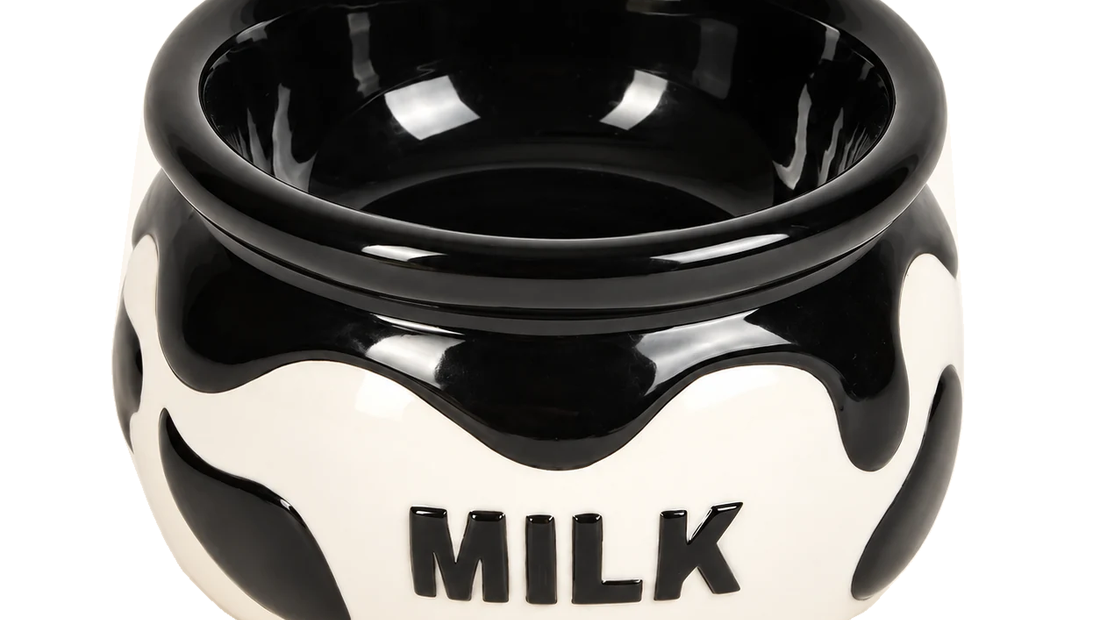
Tilted Ceramic Pet Bowl – Milk Design
Bring a playful detail to your feeding corner. This ceramic bowl has a tilted opening and a black-and-cream milk design, with a solid glazed surface for everyday food portions.
- Ceramic bowl with tilted opening
- Black-and-cream milk design
- Hand-wash care
Check before choosing: Dog and cat owners choosing a ceramic bowl for everyday portions. Contact us if an exact diameter is essential for your pet or bowl stand.
Pack contents: 1 ceramic pet bowl in the milk design. Supplier diameter information differs between text and imagery, so the exact diameter is not confirmed.
Puppy-Design Pet Feeding Mats – Brown, 2 Pack
Give bowls a defined spot and catch everyday drips around meals. These brown puppy-face mats add a playful touch to your feeding area, with two mats to use together or in separate rooms.
- Absorbent feeding mat surface
- Brown puppy-face design
- Two mats for flexible placement
Check before choosing: Dog and cat owners defining a bowl area and catching everyday drips. Each mat is approximately 50 × 60 cm; measure the space around your bowls.
Pack contents: 2 brown puppy-design feeding mats, approximately 50 × 60 cm each.
Rotating-Ball Slow Feeder – Light Blue
Add a little variety to a supervised wet-food session. This light blue feeder combines a rotating centre ball with a textured licking surface, giving cats and small to medium dogs different ways to explore a small portion of suitable food.
- Rotating ball and textured feeding surface
- Two suction cups on the base
- PP construction for wet-food portions
Check before choosing: Indoor cats and small to medium dogs using a small portion of suitable wet food under supervision.
Pack contents: 1 light blue rotating-ball pet feeder.
Browse the dog and cat feeding supplies collection to compare available options. Keep the product’s stated use separate from the broader advice in this guide; an accessory does not establish suitability for every pet.
FAQ
Is a tilted bowl healthier for every cat?
No universal health benefit is claimed. Check practical access and fit; ask your veterinarian about feeding difficulties or individual medical needs.
Can a food activity replace normal feeding advice?
No. Use appropriate food and portions for your cat. An accessory changes presentation, not the nutritional requirements or advice your cat needs.